The Himalayas have always called out to the spirit of adventure seekers — and nothing beats the thrill of exploring them on a motorcycle or a 4×4 expedition. From the rugged terrains of Leh–Ladakh and Spiti Valley to the remote trails of Zanskar, and the misty passes of Tawang, Sela, and Bumla, every mile challenges you, rewards you, and transforms you.
But the Himalayas demand respect — not just awe. The difference between a smooth expedition and a difficult one often comes down to how well you’ve packed. In high-altitude terrains, where facilities are limited, preparation is everything.
Here’s a detailed guide on backpacking essentials for anyone embarking on a high-mountain adventure — whether you’re riding your motorcycle through the winding roads of Ladakh or driving your 4×4 across frozen rivers in Zanskar.
1. Know Your Terrain Before You Pack
Before we jump into the checklist, understand that the Himalayas vary greatly depending on where you’re going:
Leh–Ladakh & Umling La Region (Western Himalayas): Cold desert, extreme temperature variations, and high-altitude passes (16,000–19,000 ft).
Spiti & Zanskar Valleys: Isolated routes with rough terrain, river crossings, and minimal accommodation.
Tawang, Sela & Bumla (Eastern Himalayas): Frequent rains, misty roads, and lush green valleys, but colder conditions near the passes.
Each region requires a balance of warmth, protection, and minimalism. Pack light, but pack smart.
2. Essential Clothing for High-Altitude Travel
Layering is key in the mountains. The temperature can drop from 25°C in the day to below freezing at night.
Base Layer:
Thermal wear (top & bottom) — helps retain body heat.
Quick-dry innerwear to avoid moisture buildup.
Mid Layer:
Fleece jacket or soft-shell pullover for insulation.
Woollen sweater or light down jacket for cold evenings.
Outer Layer:
Waterproof & windproof jacket (with hood).
Rain pants or waterproof riding gear for motorcycle riders.
Accessories:
Woollen cap or beanie
Gloves (thermal + waterproof)
Neck warmer or balaclava
Sunglasses (UV-protected)
Sturdy trekking or riding boots
Woollen socks (2–3 pairs)
Pro Tip: Avoid cotton. It retains moisture and can make you cold quickly. Stick to synthetic or merino wool fabrics.
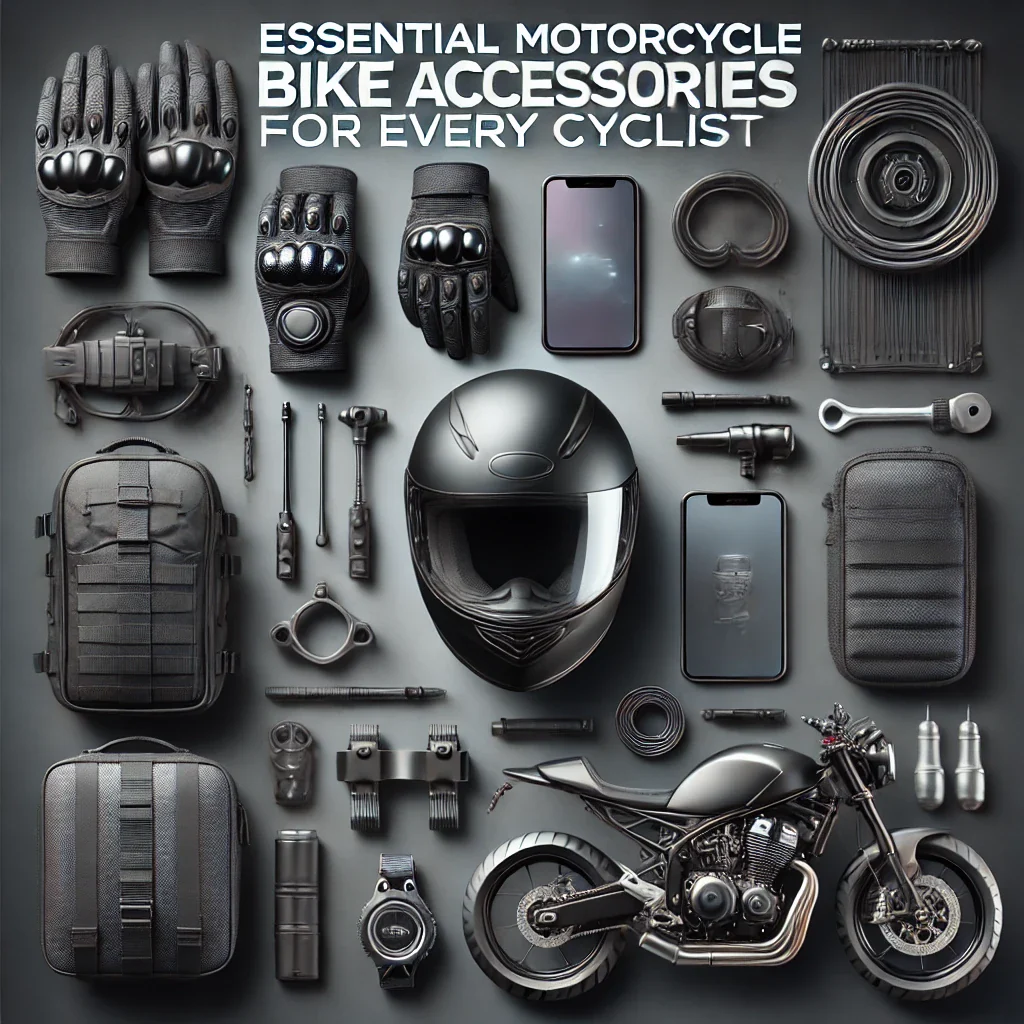
3. Motorcycle Touring Gear
For riders, your motorcycle is your lifeline. The right gear keeps you safe, warm, and dry even when the road throws surprises.
Riding Gear Checklist:
Full-face helmet (DOT or ISI certified)
Riding jacket with armor and waterproof liner
Riding pants with knee & hip protectors
Riding gloves (insulated + waterproof)
Riding boots (ankle-length, anti-slip)
Rain suit or poncho for backup
Elbow & knee guards (for minimal gear setups)
Bungee cords / luggage straps
Saddle bags / tank bag / waterproof duffle
Small toolkit & tire puncture kit
Safety Tip: Always wear protective gear, even for short rides. The terrain can change within minutes, and protection is your best ally.
4. 4×4 Touring Essentials
If you’re traveling in a 4×4 vehicle like a Thar, Scorpio, or Fortuner, the packing strategy changes slightly. You have more space, but must still prioritize essentials.
Vehicle Gear:
Tow rope, jumper cables & tire inflator
Spare tire, jack, and toolkit
Jerry cans (for extra fuel)
Shovel & traction mats (for snow or sand)
Rope & carabiners (for recovery situations)
GPS device or offline navigation apps
Inside the Vehicle:
First-aid kit
Portable oxygen cylinder
Emergency lights / torch
Blanket or sleeping bag
Reusable water bottles
Compact stove or thermos flask
Pro Tip: Always check your vehicle’s brakes, coolant, and tire condition before the journey. Carry spare fuses and essential fluids (engine oil, coolant).
5. Health & Safety Essentials
High altitudes bring thin air and unpredictable weather. Health precautions are non-negotiable.
Diamox (for altitude sickness) — consult a doctor before use
First-aid kit with antiseptic, bandages, and pain relievers
Motion sickness tablets
Cough syrup and cold medication
Water purification tablets or portable filter
Sunscreen (SPF 50+) & lip balm
Moisturizer for dry skin
Wet wipes & sanitizer
Altitude Tip: Spend at least 48 hours acclimatizing in Leh or a similar altitude before heading to higher passes like Marsimik La, Umling La, or Bumla.
6. Travel Essentials & Gadgets
Documenting the journey is as important as living it — but also make sure your gadgets survive the cold.
Power bank (10,000mAh or above)
Universal adapter & car charger
Extra camera batteries (they drain fast in cold)
GoPro / Action camera
Spare memory cards
Headlamp or torch
Bluetooth intercom (for riders)
Portable speaker (optional)
Power Tip: Charge everything whenever you stop at a homestay or café — electricity is often limited in remote valleys.
7. Food & Hydration
While local dhabas and homestays serve meals, it’s wise to keep snacks and hydration handy, especially on long stretches without shops.
Energy bars, nuts & dry fruits
Instant noodles, soup packets, or protein snacks
Electrolyte powders (ORS)
Reusable water bottle or hydration pack
Thermos for tea or hot water
Hydration Tip: Drink small sips of water often. Dehydration worsens altitude sickness.
8. Camping & Survival Essentials
Even if your tour includes hotels or homestays, carrying a few survival essentials adds safety and flexibility.
Sleeping bag (rated for -10°C)
Compact tent (for emergencies)
Foldable trekking pole
Lightweight mat or inflatable mattress
Multi-tool / Swiss knife
Firestarter or matchbox in waterproof pouch
Rope / paracord
Adventure Tip: Carry biodegradable waste bags. Leave no trace — protect the fragile Himalayan ecosystem.
9. Documents & Permits
Many high-altitude areas are near the Indo-China border and require special permissions. Always carry multiple copies of your documents.
Government-issued photo ID (Aadhaar / Passport)
Vehicle RC, insurance, and pollution certificate
Driving license
Inner Line Permit (ILP) for restricted zones like Hanle, Marsimik La, Umling La, Bumla Pass, etc.
Medical insurance (covering high-altitude travel)
Emergency contact list
Permit Tip: In Leh and Tawang, permits can be arranged through registered travel operators or online in advance.
10. Smart Packing Strategy
The goal is not to carry everything — but to carry everything essential.
Use packing cubes or dry bags to organize clothes.
Keep rain gear and documents in accessible outer pockets.
Balance motorcycle luggage for even weight distribution.
Label bags for quick access.
Keep electronics in padded waterproof pouches.
Golden Rule: “Pack light, but don’t skip survival.” Every extra kilogram counts on a mountain pass.
11. Mental & Physical Preparation
High-altitude adventures are not just physical — they’re mental too. Prepare your body and mind.
Practice cardio and stamina training before the trip.
Get used to long hours on the bike or in the car.
Keep a positive mindset — delays and rough conditions are part of the journey.
Respect the local culture and environment.
Traveler’s Mindset: Patience and humility are your strongest gears in the mountains.
Final Thoughts
Whether it’s the icy winds of Umling La, the serene blue of Pangong, the raw isolation of Zanskar, or the mystic fog of Bumla Pass, the Himalayas test every traveler — and reward them with memories for a lifetime.
A well-packed backpack is more than convenience — it’s your lifeline in remote altitudes. Every item, from your gloves to your water bottle, plays a role in your comfort and safety.
So, pack wisely, travel responsibly, and embrace the adventure. The mountains are calling — and now, you’re ready to answer.